Archives

Master of Data Science Director Appointment

Dear Colleagues,

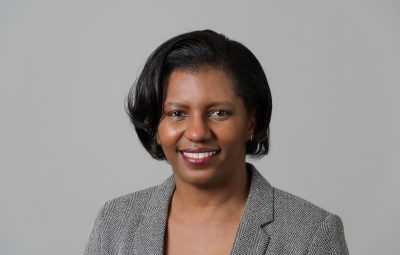
I’m pleased to announce the appointment of Professor Jeremy Teitelbaum as the director of the Master of Data Science program effective immediately. The program has previously been co-directed by Kent Holsinger, Vice Provost for Graduate Education and Dean of the Graduate School, and Peter Diplock, Associate Vice Provost for the Center for Excellence in Teaching and Learning. I extend my gratitude to both Kent and Peter for their willingness to supervise this program since its development in 2020.

Reporting directly to the dean of The Graduate School, Professor Teitelbaum will oversee the interdisciplinary 30-credit hour program which draws on courses and expertise from the College of Liberal Arts and Sciences, School of Engineering, School of Business, College of Agriculture, Health and Natural Resources, and the Neag School of Education. Professor Teitelbaum is a professor in the department of Mathematics and previously served as interim provost at UConn in 2017-2018. Before that, he was the dean of UConn’s College of Liberal Arts and Sciences (CLAS) from 2008-2017.

Professor Teitelbaum is a number theorist and has worked on a range of problems related to elliptic curves, modular forms, p-adic L-functions, and p-adic analytic geometry. His current research is in bioinformatics, unsupervised learning, and in mathematical questions in machine learning.

I am extremely grateful to Professor Teitelbaum for taking on this important role in this innovative and interdisciplinary program. Please join me in congratulating Professor Teitelbaum on this appointment.

Sincerely,
Anne

Anne D’Alleva, PhD
Provost and Executive Vice President
University of Connecticut
Office of the Provost
352 Mansfield Road, U-1086
Storrs CT 06269-1086
Tel. 860-486-4037

UConn is a great university.

But it’s more than that. A top-ranked research institution, with campuses and staff across Connecticut,  built to inspire the global community that is UConn Nation. UConn’s talented students exceed expectations. Our expert researchers, faculty, and alumni drive Creativity, Innovation, and Entrepreneurship (CIE) for a better tomorrow. We fuel the State’s economy and are committed to inclusion in benefiting the greater good. This is UConn.

 STUDENTS FIRST, UCONN ALWAYS. HUSKIES FOREVER.

Provost’s Office Leadership Update

Dear Colleagues,

I’m writing to share that Michael Bradford, Vice Provost for Faculty, Staff, and Student Development and Professor of Dramatic Arts has accepted the position of Vice Provost and Dean of Undergraduate Education at the University of California, Davis and will be leaving UConn February 3rd to begin this new role. While we are thrilled for Michael for this new opportunity, we are so sorry to lose a trusted colleague and friend who has shown such compassion, thoughtfulness and positivity to our community. On behalf of the Provost’s Office and the entire university administration, I want to thank Michael for his service to UConn in the more than 20 years he has spent here.

Michael joined the Provost’s Office in fall of 2020 and has had an extraordinary impact on the lives of students, faculty and staff. In his role, Michael oversaw faculty onboarding and retention, faculty and academic staff development and recognition, equity and access, and student success initiatives. Michael has played a critical role in UConn’s Life-Transformative Education initiative, cultivating an environment of authentic relationships and learning opportunities for undergraduate students.

Michael is a tireless advocate for faculty and staff alike. He has worked closely with the Provost’s academic success units and other university partners, such as the Office for Diversity and Inclusion, to promote faculty, staff, and student achievement in all aspects. He developed a cohort-style onboarding program for new faculty and has been a leader in creating shared learning and networking experiences for incoming faculty.

Before joining the Provost’s Office, Michael served as department head of Dramatic Arts, artistic director of the Connecticut Repertory Theatre, and faculty director of Schola2rs House Learning Community. I would not be able to put into words the impact Michael has had on UConn’s community throughout all of these roles.

For the immediate future, I have asked each of our other vice provosts to take on pieces of Michael’s role, while I take some time to develop a new organizational plan for the Provost’s Office. I’ll share more details in the coming months.

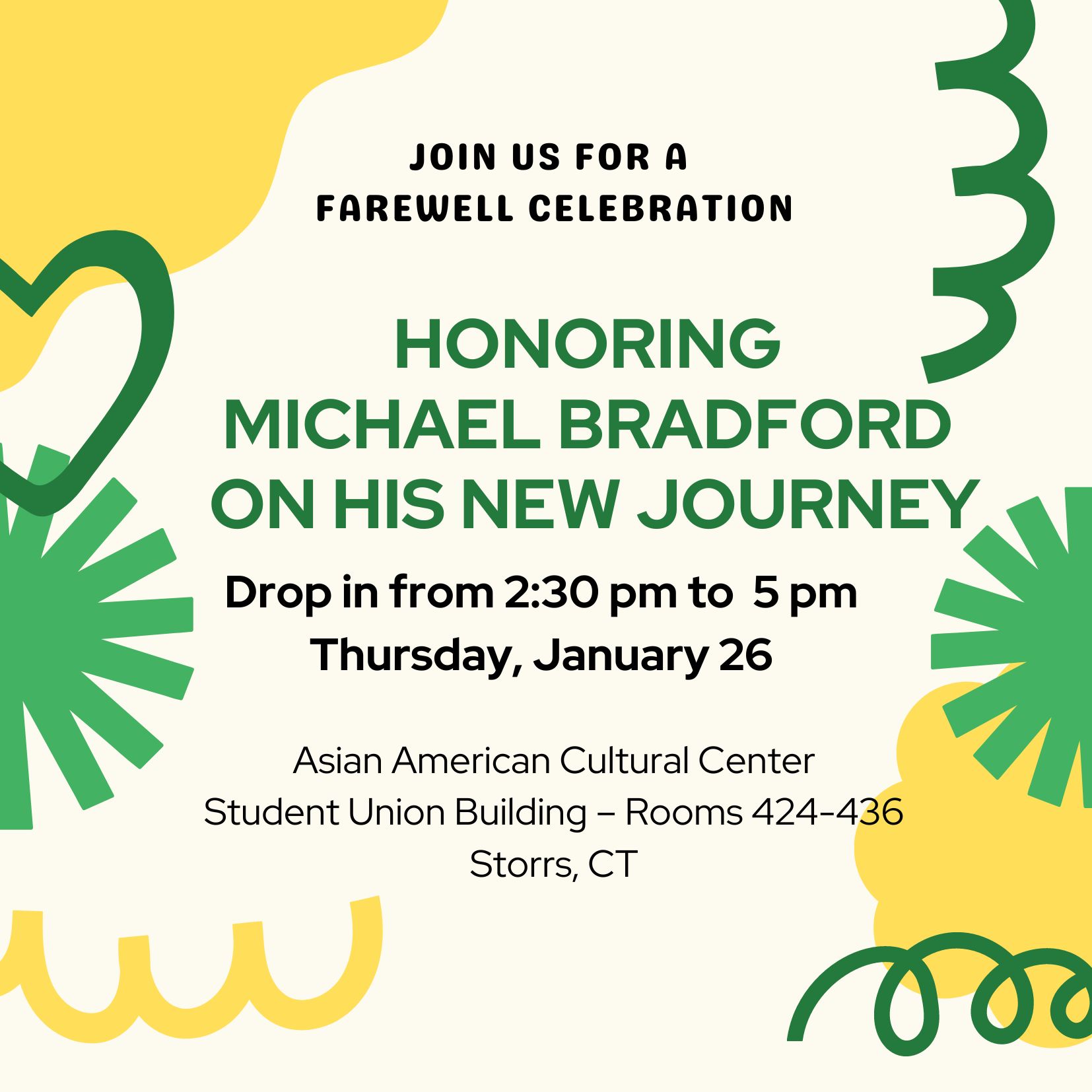
There will be an event to recognize Michael’s accomplishments and impact on the UConn community on January 26th (Click here for more details). Please join me in congratulating Michael on his new role and thanking him for his service to UConn.

Sincerely,
Anne

Anne D’Alleva, PhD
Provost and Executive Vice President
University of Connecticut
Office of the Provost
352 Mansfield Road, U-1086
Storrs CT 06269-1086
Tel. 860-486-4037

UConn is a great university.

But it’s more than that. A top-ranked research institution, with campuses and staff across Connecticut,  built to inspire the global community that is UConn Nation. UConn’s talented students exceed expectations. Our expert researchers, faculty, and alumni drive Creativity, Innovation, and Entrepreneurship (CIE) for a better tomorrow. We fuel the State’s economy and are committed to inclusion in benefiting the greater good. This is UConn.

STUDENTS FIRST, UCONN ALWAYS. HUSKIES FOREVER.

Provost’s Office Monthly – December 2022

MESSAGE FROM THE PROVOST

With finals wrapping up this past weekend, we have reached the end of the fall 2022 semester. This past semester, and all of 2022 for that matter, feels like it has flown by. I am feeling inspired, grateful, and proud to be a part of this university and am looking forward to seeing what we will accomplish in the coming year. I’m thankful for the role that each staff member, faculty member, student, parent, and community member played in supporting each other throughout the year and in making UConn great.

That said, it’s important that we take time for ourselves over the next few weeks; to relax and recharge, spend time with loved ones, and do things that bring us joy. I wish each of you peace and happiness in the new year.

Happy Holidays,

Anne

Anne D’Alleva, PhD
Provost & Executive Vice President for Academic Affairs

ACADEMIC UPDATES & REMINDERS

Interfolio Dossier is Live!

As previously announced, UConn has purchased Interfolio’s Review, Promotion and Tenure and Dossier modules to streamline the PTR/PR processes. We are pleased to announce that Dossier is now live and open for faculty to begin accessing.

Dossier is Interfolio’s online platform for academics to collect and curate scholarly materials, request and receive confidential letters of recommendation, and prepare for upcoming evaluations. You, as a member of our faculty, can use Dossier to store your CV, publications, and other important career related materials for easy reference.  You can then use Dossier to share your documents for review by your colleagues, to be included in review and promotion submissions, and to review documents shared with you by your colleagues.

Dossier will be available for all faculty members across campus to access using your NetID and password. To access your account, select sign-in with Partner Institution on the Dossier website: https://account.interfolio.com/login. You can view a video tutorial on how to sign-in here.

If you have used Dossier previously with a personal e-mail address, this article shows how you can merge your two accounts.

For more information about how to use your Dossier account, Interfolio has a great online help center and their Scholar Services can help answer your technical questions by email, phone, Facebook, or Twitter.

NEWS & UPDATES

Dean of the School of Nursing Search

A national search is underway to identify candidates to lead the School of Nursing. This searched is chaired by Jason Irizarry, Dean of the Neag School of Education and Professor of Curriculum and Instruction. Applications are being collected through January 17, 2023.

Dean of the School of Social Work Search

A national search is underway to identify candidates to lead the School of Social Work. The search is chaired by Kent Holsinger, Vice Provost for Graduate Education and Dean of the Graduate School and Professor of Ecology and Evolutionary Biology. Listening Sessions took place earlier this month and applications will be open in the coming weeks. Applications are being collected through February 6, 2023.

Humanities Institute Director Search

An internal search for the next Director of UConn’s Humanities Institute is underway. The search is chaired by Jeffrey Ogbar, Professor of History and Director of the Center for the Study of Popular Music. Interviews and public forum presentations were hosted over the last week.

UConn Reads

UConn Reads is a stimulating program that invites all members of the extended UConn community (students, staff members, faculty members, alumni, friends) to join in an engaging discussion about a book that has been selected to spark multidisciplinary conversations, critical debates, and an array of supporting activities. The program is being orchestrated by the Office of the Provost, and the book selected for this year’s program is “Light from Uncommon Stars," by Ryka Aoki. Get involved by contacting uconnreads@uconn.edu.

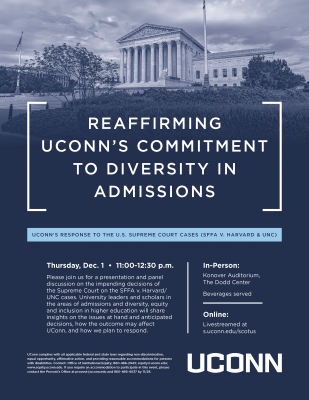
Reaffirming UConn's Commitment to Diversity in Admissions

On December 1st, University leaders and scholars in the areas of admissions and diversity, equity and inclusion in higher education shared insights on the issues being addressed and UConn's Response to the U.S. Supreme Court Cases (SFFA v. Harvard/UNC). View a recording of the presentation and panel discussion on the impending decisions and how they may impact UConn.

Highlighting Interdisciplinary Scholarship at UConn

Entrepreneurship isn’t just for the students at a university building startups—it’s for everyone.

At UConn, entrepreneurship is a way of thinking, unrestricted by school, college or program that provides the solution to many of the challenges our world faces. Across all industries and disciplines, it takes someone with an entrepreneurial drive and mindset to disrupt the status quo - continually innovating to find solutions to the world’s most irretractable problems.

The Peter J. Werth Institute for Entrepreneurship and Innovation provides students with interdisciplinary opportunities to learn about and experience first-hand entrepreneurship and innovation. Our signature programs include NetWerx, which provides tailored mentorship; Stamford Startup Studio for students interested in product development and management; Championship Labs, a first-of-its-kind program empowering student influencers and athletes with the tools to explore opportunities in content entrepreneurship and beyond; Werth Innovators Leadership Development, one of the nation’s top entrepreneurial leadership development programs; and the Center for Neurodiversity & Employment, created to improve employment outcomes for neurodivergent job seekers.

The Werth Institute is the legacy of Peter J. Werth, Jr., philanthropist and the founder, president, and CEO of ChemWerth, Inc., a full-service generic drug development and supply company. His investment is changing the lives of the thousands of students who take part in our mentorship, leadership, and experiential learning programs by ensuring UConn becomes a beacon of inclusive entrepreneurship for students throughout the nation.

Not housed in a singular department or college, The Werth Institute strives to be a central node of connection across the University for students in all schools and colleges to equip them with skillsets essential for personal and professional growth. In fact, 35% of the students who participated in our programs this past year were from the College of Liberal Arts and Sciences, constituting a significant departure from traditional entrepreneurship programs. At the heart of all we do is an accelerated, individualized approach to investing in students beyond what most academic units are able to offer.

Be Good. Make a Difference. Change the World.

This is Peter’s vision for entrepreneurship at UConn, one that has guided The Werth Institute since our founding in 2018. In that time, we have grown from an idea to an award-winning program that prepares and propels students forward, empowering each to the world they want to live in. UConn now has over 60 programs focused on or supporting entrepreneurship, reaching more than 3,000 students each year. The Werth Institute is a central part of the University’s strategic direction, especially in engaging students who are traditionally underrepresented or marginalized within entrepreneurial communities. This year, 55% of students engaged in our programs were from underrepresented populations, and more than 60% were women.

The Werth Institute is also reaching more first-year Huskies than ever before with an inclusive message around entrepreneurship, helping them get a head start on forging networks, growing their ideas, and developing as emotionally intelligent leaders. We continue to expand the depth of our programming by bringing together diverse groups of alumni who have successfully navigated a myriad of career pathways to provide students with greater real-world opportunities and insight into prestigious, competitive careers. More importantly, these connections are helping students build their self-confidence and hone their creative voices, something that simply cannot be learned in the classroom.

You can’t teach students how to be an entrepreneur. Instead, you give them the platform to fail without the having to pay a steep price and then the support to get back up to try again. The Werth Institute has created a space for students to explore their innovative potential without barriers as well as remove any sort of limitations students may have developed in their own head as to what they can be.

As we prepare to celebrate our five-year anniversary in January, our mission remains the same as it has been since day one: to create opportunities not yet imagined. Bringing this to life would not be possible without our students, faculty and staff, alumni, donors, and community partners. Join us in ensuring every Husky has the opportunity to explore their potential and build their confidence through entrepreneurship.

If you would like to learn more about how you can get involved with the work we’re doing, please reach out to me directly at david.noble@uconn.edu.

Huskies Forever,


David Noble
Managing Director, The Werth Institute

IMPORTANT DATES, DEADLINES & EVENTS

December 21: Semester Grades Due
December 26: Christmas Holiday Observed
January 2: New Years Day Holiday Observed
January 16: Martin Luther King Jr. Day
January 17: First Day of Spring Semester Classes
January 30: Last Day of Add/Drop

Provost Office Awards

The Provost Office facilitates the following awards: Board of Trustees Distinguished Professor Award, Provost’s Outstanding Service Award, Provost’s Award for Excellence in Community Engaged Scholarship, and Alumni Faculty Excellence Awards.

Deadlines for nominations are fast approaching. Visit our website for details on nomination materials, deadlines, and past winners.

Interfolio Town Hall

On February 10, the Provost’s Office will host a virtual town hall to offer a brief overview of the purchase of Interfolio’s Review, Promotion and Tenure and Dossier Modules and to answer questions from the community about the rollout of this new system. Please click here to learn more about this session, view recordings from the November 15th Info Session, and to learn more about Interfolio @ UConn. You can also submit questions for the Town Hall in advance using this form. Questions will be answered live and the session will be recorded.

Designations and Definitions of Course Modalities Fall 2023

Dear Colleagues,

As you may recall from our last, truncated Associate Deans/Department Heads meeting (and follow-up email), we are in the process of rolling out new designations and definitions for course modalities, which the Registrar will officially implement starting with the Fall 23 semester. Since the Registrar will begin its scheduling process for Fall 23 early in the Spring semester, it is important for faculty to become familiar with these new designations and to use them as they submit their course requests to you and your departmental admins.

A few caveats to keep in mind:

First, and most importantly, these new designations are not, in and of themselves, a signal that the balance of in-person to online course offerings is meant to shift. The development of these new designations is only the first step in what we expect to be a more extended, iterative, and consultative process—internal to each school, college, and department—in which programs should be thinking about the most effective/appropriate pedagogical uses for each modality. Decisions to switch courses from in-person to online should not be made by individual instructors in advance of these important strategic conversations. The Future of Learning Committee is currently preparing guidance for how to approach these conversations and what considerations need to be part of any such decisions.

Second, faculty should select the modality designation that most accurately represents how the course will be taught. One of the key reasons we revised these designations and their definitions was to ensure that students knew exactly what kind of courses they were choosing when they registered. Advisors will be referring to these new designations in their meetings with their advisees, so it is critical that the information be accurate.

Thanks and please don’t hesitate to reach out to me if you have any questions.

UConn Course Modality Definitions Fall 2023

Modalities Flow Chart

Sincerely,

Jeffrey Shoulson

________________________________________
Jeffrey S. Shoulson, Ph.D. (He | Him | His)
Senior Vice Provost for Academic Affairs
Professor of Literatures, Cultures, and Languages and Professor of English
University of Connecticut
352 Mansfield Road, Unit 1086
Storrs, CT 06268-1086

(o) 860-486-6115
(c) 305-742-6973
(f) 860-486-6379

https://orcid.org/0000-0001-6161-6325


Provost’s Office Monthly – November 2022

Message from the Provost

I hope this message finds everyone well-rested and energized for the end of semester after the Thanksgiving break!

As you’ll know from President Maric’s announcement yesterday, she has appointed me as Provost, and I’m grateful for the trust that she and the Board of Trustees have placed in me. Since taking up the position on an interim basis six months ago, I’ve come to have an even greater appreciation for the talent and dedication of our faculty and staff and the potential of our amazing students across every field. We’ve experienced many challenges and transitions together over the past few years, and one of my primary goals is to create a stable institutional environment so that we can fully achieve our dynamic and innovative potential across our teaching, research, and engagement missions. I’m looking forward to working with each of you to make UConn – and the world beyond our campuses – a better place.

The focus of our Provost’s Office newsletter this month is student success.  Simply put, student success is a measure of how our students are growing and thriving in every dimension of their experience at UConn. They are succeeding academically, making steady progress toward completing their degrees, and attaining knowledge and skills that will enable them to be life-long learners and launch satisfying and successful careers. They are forming friendships, finding mentors, and growing in their capacity to understand, respect, and embrace the many dimensions of our diversity. They are learning how to cultivate their own wellbeing, emotionally, physically and financially, which serves as a foundation for those complex and challenging academic and social experiences.  And they are giving back to their communities – they are growing in responsibility, purpose, and leadership and driving change both on campus and off.

We have many qualitative and quantitative metrics for measuring students’ academic success. These include retention and graduation rates, DFW rates (the aggregate rate of students with D or F grades, or that withdraw from classes), the number of students on academic probation, survey data where students self-report on their experiences, and post-graduation data such as employment outcomes, return on investment, and economic mobility.

Much of the data shows that UConn students are experiencing high levels of success in many dimensions, including an average time to degree of 4.1 years that is the best in the nation among public universities.

At the same time, there are several areas in which worrying data trends have been emerging. These trends predate the pandemic but appear to have been exacerbated and accelerated by pandemic impacts. In some cases, our overall data does not ring alarm bells, but when we disaggregate by factors such as race and ethnicity, income status, first-generation status, and gender, we can see that we are not creating equal pathways to academic success for all our students.

As provost, I take responsibility for leading change so that we reverse these trends and close outcome gaps based on student demographics. But this work will take all of us. Student success is often seen as a “wicked problem” of higher education, and as such, there is no one single solution. The work will touch on many different areas and is an area of intense focus for the Provost’s Office.

In future newsletters, I will share spotlights and details of some of the work across UConn that support student success, including that of undergraduate advising and the Institute for Student Success. Today I want to begin by highlighting two projects led by the Provost’s Office. One is our Life-Transformative Education initiative, dedicated to ensuring we develop the identity, agency, and purpose of every student with a focus on their post-graduation success. The other is our assessment initiative, which will create a framework for academic programs to understand strengths and areas for improvement in relation to student learning. I also want to highlight a working group that has been creating resources for pregnant and parenting students. This has resulted in a new website and some guidelines that I hope you will all find helpful.

This problem is not confined to UConn. Earlier this month I attended the Association of Public Land-Grant Universities (APLU) annual meeting. At this meeting, higher education leaders from across the nation shared challenges they are facing and the strategies they are implementing to better support student success, especially among minoritized students who have been disproportionately affected by the pandemic. I had the opportunity to participate on a panel related to honors education and showcase some of the initiatives our Honor’s program undertakes to fosters high-level achievement. Some of the ideas being discussed in this national context are exciting, and we are moving discussions forward in several projects that you’ll hear more about in the next few months.

This is a vital time for us to come together and support our students, particularly as we look to mitigate and erase some of the growth in inequities caused by the pandemic. Research has clearly demonstrated that a caring and engaged faculty and staff has a powerful positive effect on student retention and achievement. I hope you’ll be joining me in finding your role in this work.

All best,

Anne D’Alleva
Provost & Executive Vice President for Academic Affairs

Academic Updates & Reminders

New Gen-Ed Common Curriculum Guidelines and Implementation

At a special meeting of the University Senate on Monday, November 14, 2022, the Implementation Guidelines for the Common Curriculum for Leadership and Global Citizenship and related Senate by-law amendments were approved.  This was the last approval step in a multi-year project to re-envision a general education curriculum that reflects our commitments to be forward-looking, responsive to students, increasingly flexible while maintaining high scholarly standards. The new curriculum offers relevant, challenging coursework that empowers students with a strong sense of moral, ethical, and social responsibility and the capacity to be proactive in a world that desperately needs them. The new curriculum will roll out in Fall 2025.

Faculty Compensation Policy

The University replaced the “Policy on Extra Compensation for Full-Time Faculty in AAUP” with the revised “Faculty Compensation Policy” effective November 11, 2022. This policy establishes the standards under which regular payroll faculty may receive compensation from the University or external entities. This applies to all regular payroll faculty excluding UConn Health, and covers regular compensation, summer salary, overload pay, and payments for prizes and awards.

Life Transformative Education

The Life Transformative Education Initiative continues to find ways to embed the guiding principles of LTE into the life and culture of our students. LTE is a framework to support the development of identity, agency, and purpose for all UConn students. In this work, we are part of the national Coalition for Life Transformative Education, focused on embedding long-term outcomes into our work on student success.

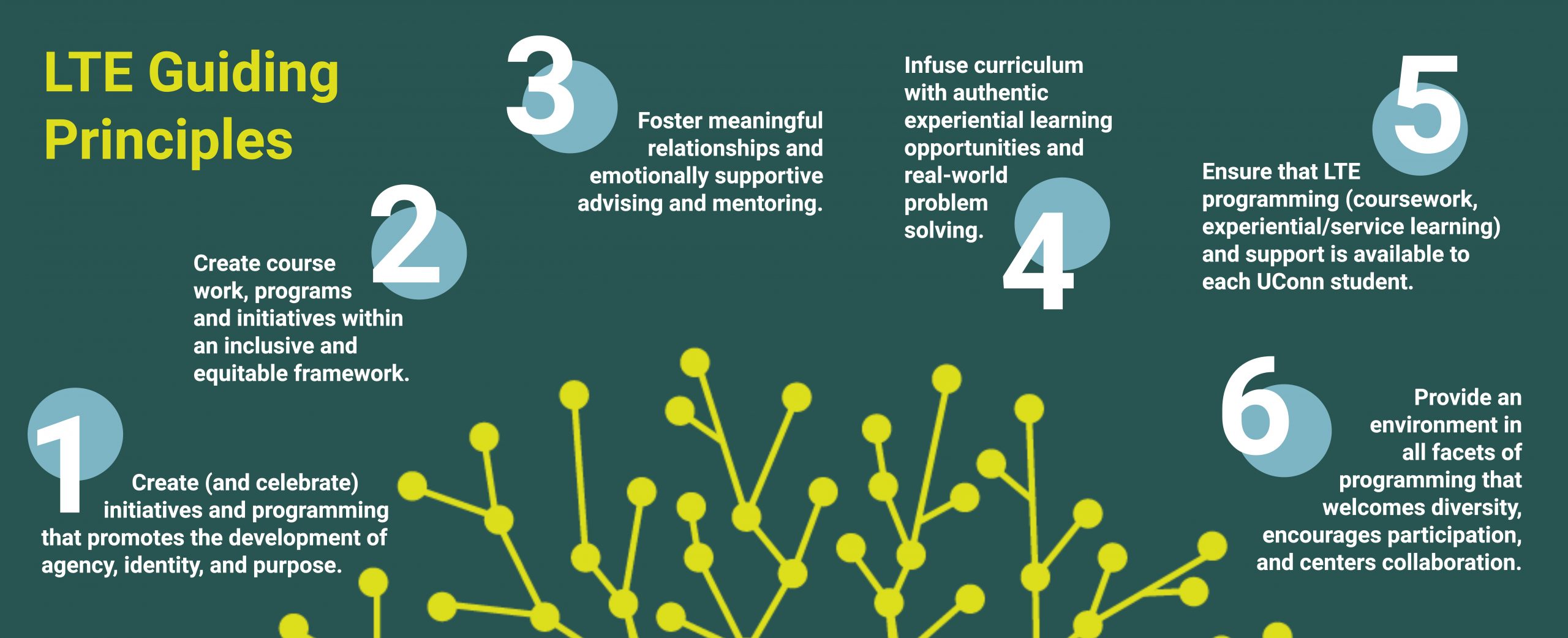
The guiding principles of Life Transformative Education at UConn are to:

  1. Create (and celebrate) initiatives and programming that promotes the development of agency, identity, and purpose.
  2. Create coursework, programs, and initiatives within an inclusive and equitable framework.
  3. Foster meaningful relationships and emotionally supportive advising and mentoring.
  4. Infuse curriculum with authentic experiential learning opportunities and real-world problem solving.
  5. Ensure that LTE programming (coursework, experiential/service learning) and support is available to each UConn student.
  6. Provide an environment in all facets of programming that welcomes diversity, encourages participation, and centers collaboration.

In practice, this work has been manifested in four ways:

  • Annual Cultivate workshops to engage faculty and staff around the University into the work of the initiative. The next Cultivate workshop will be held on March 2, 2023, featuring keynote speaker Christina Katopodis, Associate Director of Transformative Learning in the Humanities, CUNY. She will frame a set of group discussions around radical optimism in the classroom (and beyond) and will deliver specific strategies to guide this work. Details for sign up will be in the next newsletter.
  • An ongoing speaker series that highlights internal work in line with the LTE guiding principles, and which showcases external speakers to bring a range of inspiration to our work. Details can be found on our website.
  • Multiple “design sprints,” initially with external partners The Design Gym, and now in partnership with UConn’s Greenhouse Studios. These lead project teams through a process to “scale up” and further develop existing experiential learning opportunities at UConn. More details will follow on current projects, which include embedding career competencies for students in campus jobs & internships and imagining curricular and co-curricular opportunities for students to discover their purpose.
  • A series of workshops (launching early in 2023) to engage instructors across UConn in inclusive learning. These will focus on actionable strategies to close equity gaps, foster belonging in the classroom, and to ensure all students have a pathway to academic success. These workshops will draw on foundations from early LTE working groups, particularly that of the authentic & inclusive learning group.

Beyond these key elements, the LTE initiative also partners with broader conversations as we work to build LTE as the foundation for all engagement and education of students at UConn. This includes a strong partnership with University Advising, the Institute for Student Success, and the Office of Outreach and Engagement.

Assessment

At the University of Connecticut, we are all committed to ensuring we are providing all UConn students with the most effective educational programs possible. Program-level assessment work focuses on improvement by first identifying what students should be learning (program-level student learning objectives). Data can then be gathered to understand student outcomes in relation to these learning objectives. This allows programs to identify what is currently working, and where changes might be needed. In many cases, these efforts will be building on work that is already happening.

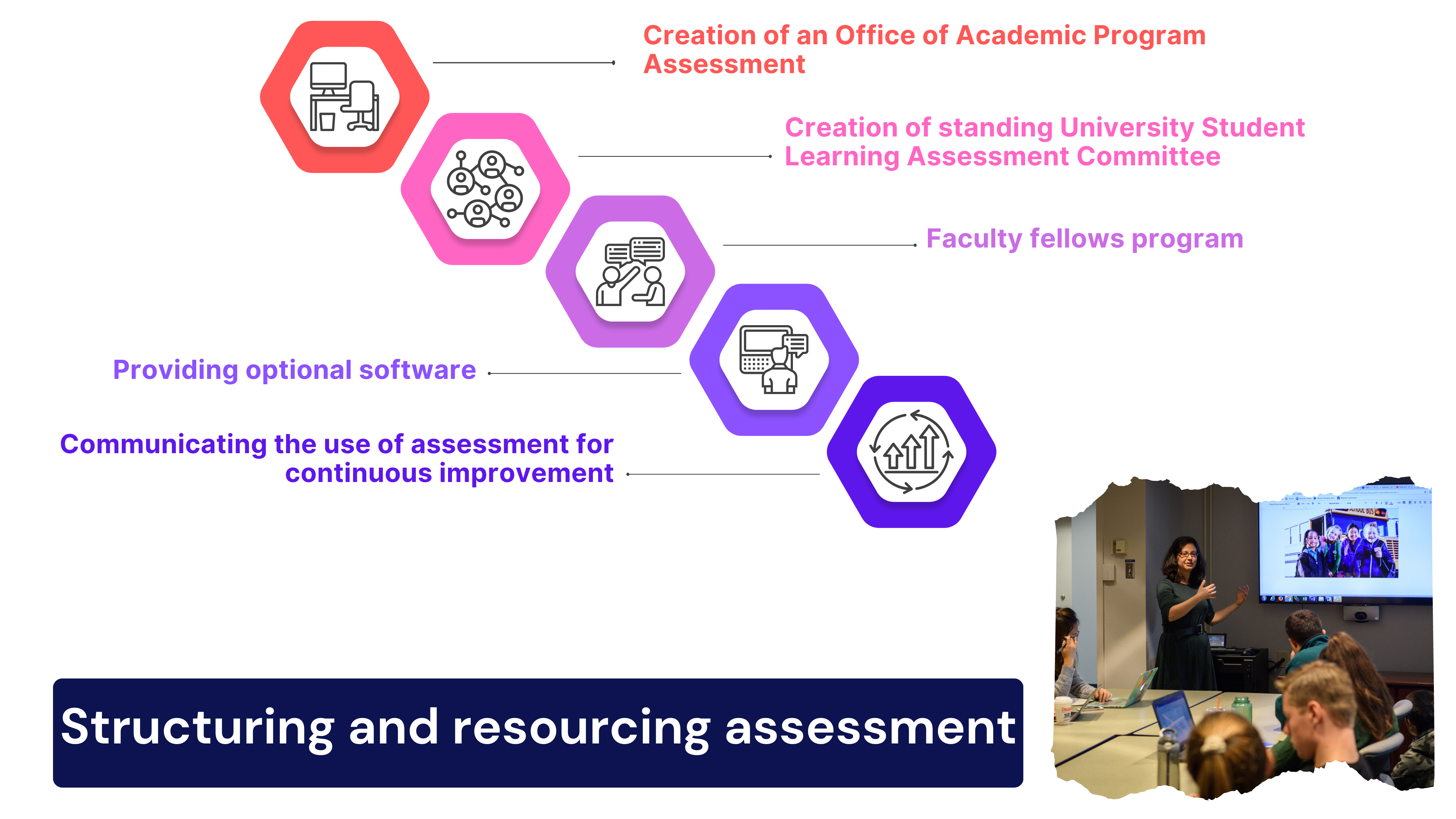
The Office for Academic Program Assessment (OAPA) leads this work in collaboration with the faculty-led University Student Learning Assessment Committee (USLAC). Our goal is to develop a robust culture of assessment at the University of Connecticut. In particular, we want assessment work at UConn to pay careful attention to achievement gaps that are visible when outcomes data is disaggregated. Throughout this data-driven process, we will be supporting departments as they develop and refine their programmatic student learning outcomes, create appropriate instruments for assessing how effective they are in achieving these outcomes, and ensure an inclusive approach to these efforts, sensitive to the diverse backgrounds and needs of all our students.

Over the next two years, all undergraduate programs that are not assessed through programmatic accreditation will develop learning outcomes, a curricular map for these outcomes, and an ongoing, manageable engagement in a cycle of assessment activities. The schedule for this process has been developed by OAPA and USLAC in consultation with our deans.

If you are in a program entering into the assessment cycle you can expect ongoing, centralized support from the staff and faculty fellows in OAPA. As academic programs work their way through this process, we encourage them to leverage the opportunity to engage in real, meaningful conversations about what they expect their students to learn within their programs.

An assessment software module that is part of the Blackboard (HuskyCT) system is being implemented and will be available—on a fully optional basis—to facilitate this work. Academic programs are free choose other means for building their assessment infrastructure and capturing the relevant data.

Further information related to the assessment initiative is available online here.

If you are interested in issues of equity and inclusion related to assessment, we encourage you to look at the National Institute for Learning Outcomes Assessment (NILOA) framework on Equity in Assessment. This has been a central guide in our overall plan for our UConn assessment initiative. You can look at this framework and a range of resources to begin thinking about what equity in assessment might mean for your unit here.

Resources for Pregnant or Parenting Students

We know that the past two years have presented enormous challenges for us all. It has been made clear that the boundaries between our professional/academic and our personal lives are more porous than we had previously acknowledged. To this end, we encourage our faculty and staff to be open to potentially difficult conversations for our students who are balancing these responsibilities.

We want to share a new website that is available for students who are pregnant and/or have parenting responsibilities. This website will help students discover and navigate resources available to them, https://studentparents.uconn.edu/. This site was developed by a committee of UConn community members from across the University.

We have heard from pregnant and parenting students that they often feel isolated, have limited information about supports available, and are reluctant to discuss their concerns for fear of being stigmatized or having their commitment to their academic goals questioned. Faculty and staff who interact with these students have a unique opportunity to foster a more welcoming and supportive environment for them.

Some tips for this include:

  • Let students know you are open to them sharing their concerns about navigating family and academic responsibilities.
  • Be familiar with the resources available to pregnant and parenting students, many of which can be found at https://studentparents.uconn.edu/
  • There is also good information here https://hr.uconn.edu/worklife-family/, relevant to all members of the UConn community, including childcare providers, and lactation spaces on all campuses.
  • Be mindful of messages based on unconscious bias that your department might be sending about a student who is pregnant and/or parenting. Do not treat expectant/parenting students differently from those without children. Rather, encourage all your students to protect time for outside interests and responsibilities.
  • Be sure to allow adequate time and space for those who are lactating.
  • If a student requires an accommodation related to a pregnancy, refer them to the Center for Students with Disabilities at 860-486-2020 or csd@uconn.edu
  • If a student feels they have experienced discrimination or harassment due to pregnancy or other sex-based conduct, refer them to the Office of Institutional Equity at 860-486-2943 or equity@uconn.edu
  • If a student needs to be connected to resources and to consider impacts and support related to their academics, faculty and staff can refer Storrs undergraduate students to the Dean of Students Office at 860-486-3426 or dos@uconn.edu. Graduate students can be referred to The Graduate School at gradschool@uconn.edu. Regional campus students can be referred to the Student Services staff on their home campus.

We should strive to be fair, equitable, objective, and empathetic when receiving requests for flexibility. We encourage faculty and staff to extend these same considerations to our pregnant and/or parenting students as we enter this and future academic years.

2022 Undergraduate First Destination Outcomes

The Center for Career Development (CCD) has released the 2022 Undergraduate First Destination Outcomes which indicates that 90% of the 2022 graduating class have reported favorable outcomes at the six-month post graduation milestone. The full outcomes report will be available on the CCD website on December 15th.

Winter Weather Reminders

With the winter storm season upon us, we’d like to refresh your knowledge about operations at UConn’s Storrs and regional campuses during inclement weather.

For those of you who are new to the UConn community, these details will be helpful to understand the University’s decision-making processes before and during unusual weather conditions or other unexpected changes in class schedules and business operations.

First and foremost, the safety of our students, faculty, and staff is paramount. At the same time, the University has important teaching, research, and service missions to carry out. We balance these factors when considering whether the University can safely and effectively maintain normal operations during and after inclement weather or other unusual events.

With that in mind, we make decisions about cancelling classes or curbing business operations at our campuses very carefully, using the information available to us at the time about weather forecasts, road conditions, and other considerations.

UConn Alerts

One of the most important steps you can take right now as a member of the UConn community is to sign up to receive text message notifications on your cell phone about schedule changes, cancellations, emergencies, and other important information.

The process is quick and easy, and signing up is free. Instructions can be found under the “Get Alerts” section of the UConnALERT page. Even if you believe you are already signed up, it’s wise to check to ensure that the system reflects your most current cell phone number and other contact information.

We encourage you to review the University’s policy for details about how these decisions are made, expectations of employees, and other information.

The following guidance applies to all UConn locations except UConn Health, which has its own relevant policies.

How you’ll know UConn’s status:

  • When we determine it is necessary to cancel or delay classes, or to change business operations at the University, we’ll notify the UConn community as quickly as possible.
  • When storms occur overnight, we try to make this notification by 5 a.m. Sometimes conditions change rapidly, however, and we might need to adjust decisions about class schedules and business operations on short notice.
  • The UConnALERT webpage (http://alert.uconn.edu) is the definitive source of information about the University’s operating status.
  • UConn community members at all locations, excluding UConn Health, can also check the 24-hour emergency closing information number: 860-486-3768.
  • The University notifies the media about operating changes at UConn’s campuses, but we cannot guarantee that details provided by news outlets represent the most current or complete information.

What stays open, what might change:

  • If classes are cancelled, this applies to all classes -- including those online.
  • UConn follows suit if the Governor closes state agencies, releases state employees from work, or restricts road travel due to weather conditions.
  • Certain essential operations continue despite inclement weather, including public safety, residential and dining services, health services, animal care, facility maintenance, and other critical services.
  • Decisions about whether to continue or cancel specific services, such as transportation, are made on a case-by-case basis depending on existing conditions and needs.
  • The Jorgensen Center for the Performing Arts, UConn Athletics, and other units that sponsor events and activities decide independently whether to continue or cancel their events, and you should contact them directly with questions.

Academic operations:

  • If the University has not announced a delay or cancellation of classes, faculty are expected to hold their classes as scheduled in the modality originally advertised.
  • In circumstances when a faculty member determines that they cannot travel safely to campus, the faculty member must notify all students in the class in a timely manner along with their dean and department head.
  • Faculty must not preemptively cancel class before the University decides and announces whether UConn’s normal schedule will be changed.
  • Students should contact their professors as soon as possible if they must miss a class or other activity due to weather conditions.
  • Faculty should respect the decisions of commuting students who decide not to travel to campus or to leave class early to get home safely, and should provide options for them to make up missed work.

Keep safety first:

  • Always consider your safety first. Weather and road conditions may vary considerably across the state and from one UConn campus to another.
  • With that in mind, all members of the University community should evaluate the circumstances they face, plan extra time for their commute if necessary, and take other common-sense measures.
  • Employees and students are reminded to be particularly vigilant while driving or walking on campus during inclement weather, including around vehicles conducting plowing and sanding activities. Remember that pedestrians always have the right of way.

Who reports to campus, and when:

  • Emergency and essential staff must remain at, or report to, in-person work as directed. Supervisors must learn and follow their units’ related procedures. UConn’s policy and guidance on the Human Resources site are helpful in understanding these expectations.
  • Employees who decide not to come to campus or to leave campus early due to travel safety concerns may use a vacation day, personal time, or other accrued time without advance approval, but must notify their supervisors that they are doing so.
  • If approved by their supervisor, they may also be able to work remotely.
  • For typically in-person employees: If UConn directs those employees not to report to campus due to weather or other operational changes, they are expected to work from home unless they have a manager-approved flexible schedule or use accrued time (i.e., vacation or personal time).
  • Supervisors are encouraged to consider difficulties that storms may cause for employees, such as electrical or internet outages.
  • All employees working remotely are expected to be accessible and responsive to supervisors during work hours by email and telephone. Supervisors may expect that assigned work that can be accomplished remotely is completed on time.
  • Employees on an approved telecommuting or remote work schedule should continue to work that schedule unless they receive approval to flex their time that day.
  • Supervisors may make reasonable adjustments to continue University business, including holding meetings by teleconference or virtually; and employees who would normally be present at work may be required to participate.

Again, we wish to emphasize the paramount importance of safety. Faculty, staff, and students should evaluate their own circumstances carefully, exercise appropriate judgment, and take responsibility for their safety when making decisions during inclement weather and other operational changes to emergency situations at UConn Storrs and regional campuses.

Reading Days

Reading Days are Saturday and Sunday, December 10 and 11, and Thursday, December 15. Per the University Senate By-Laws, the intent of Reading Days is as follows:

Reading Days are protected time for students to prepare for the final exam and assessment period. Instructors shall not require any course-related activity, assessment, or submission of work on Reading Days. Instructors may use Reading Days for optional activities, such as office hours. While an instructor cannot initiate required course-related activity, assessments, or submission of work on Reading Days, instructors have the option to accommodate student requests for required work and/or examinations to be rescheduled for a Reading Day. Reading Days restrictions do not include responsibilities with external placements, such as clinical positions and internships.

Final Exams

Final exams begin on Monday, December 12 and end on Sunday, December 18.

In very limited instances, undergraduate students may request rescheduling for an exam. They must make such a request through the Dean of Students Office for the Storrs campus or each regional campus student services office, and as early as possible. The reasons for such a request include “bunched” finals and immediate illness. A student whose absence is excused by the Dean of Students Office or regional student services staff shall have an opportunity to take a final without penalty. Please consult the Dean of Students website and the Registrar’s website for further detail.

***Please note, the above does not apply to the School of Law, School of Medicine, or School of Dental Medicine.***

News & Updates

Appointment of Director of UConn Waterbury Campus

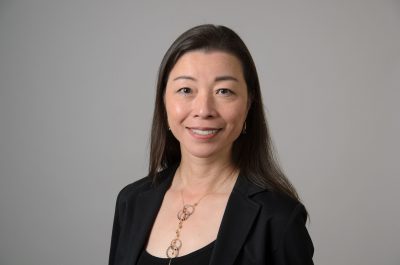
Dr. Fumiko Hoeft has been appointed as the next director of UConn Waterbury. Selected from a talented pool of applicants, Dr. Hoeft has demonstrated a commitment to student success in academics and beyond and has shared an exciting vision for the future of the UConn Waterbury campus and its connections with the wider Waterbury community. Dr. Hoeft is a prolific researcher and an exemplary member of the UConn community. Dr. Hoeft joined UConn in 2018 as director of BIRC and professor of psychological sciences. In addition to her appointment as professor of psychological sciences, she also holds appointments as professor of computer science, mathematics, neuroscience, psychiatry, pediatrics, and educational psychology at UConn.

UConn Reads

UConn Reads is a stimulating program that invites all members of the extended UConn community (students, staff members, faculty members, alumni, friends) to join in an engaging discussion about a book that has been selected to spark multidisciplinary conversations, critical debates, and an array of supporting activities. The program is being orchestrated by the Office of the Provost, and the book selected for this year’s program is “Light from Uncommon Stars," by Ryka Aoki.

Interfolio Information Session Recording & Future Opportunities

On November 15, the Provost’s Office hosted a virtual information session to provide an overview of the purchase of Interfolio’s Review, Promotion and Tenure and Dossier Modules. A recording of the information session and details about additional opportunities to learn more about the system and our roll out are available on the Interfolio @ UConn webpage.

Dean of the School of Nursing Search

A national search is underway to identify candidates for the next Dean of the School of Nursing. This searched is chaired by Jason Irizarry, Dean of the Neag School of Education and Professor of Curriculum and Instruction. Applications are being collected through January 17, 2023.

Dean of the School of Social Work Search

A national search is underway to identify candidates for the next Dean of the School of Social Work. The search is chaired by Kent Holsinger, Vice Provost for Graduate Education and Dean of the Graduate School and Professor of Ecology and Evolutionary Biology. Listening Sessions took place earlier this month and applications will be open in the coming weeks.

Marissa Greenberg Post-Event Summary

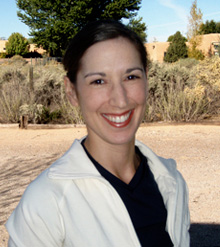
On November 9 and 10, the Office of the Provost, in partnership with the Office of Diversity, Equity, and Inclusion, the Center for Excellence in Teaching and Learning, and the UConn Humanities Institute, hosted Dr. Marissa Greenberg, Associate Professor of English at the University of New Mexico. Dr. Greenberg was invited to teach the UConn community about an approach that she has been developing to create a more active and inclusive pedagogy, drawing on the practice of caucusing that has emerged as a powerful tool in anti-racist efforts in political and labor contexts.

In a public presentation, followed by two hands-on workshops, one for faculty and one for graduate assistants, Dr. Greenberg demonstrated the value of this approach in shifting our pedagogical orientation from a deficit mindset to an asset mindset. By providing them with opportunities to engage in discussions within this context of affinity-based caucuses, students come to see how their own embodied, lived experiences can lead them to powerful, critical insights into materials that might otherwise seem distant and alien to them.

Highlighting Interdisciplinary Scholarship at UConn

UConn’s Institute for Collaboration on Health, Intervention, and Policy (InCHIP) brings together individuals with diverse scientific, clinical, and methodological expertise and supports their evolution into collaborative investigators who conduct innovative interdisciplinary research that impacts public health and well-being. At its core, InCHIP and its investigators aim to improve human health through research. But human health does not exist in a vacuum -- it reflects myriad processes and mechanisms at levels ranging from the molecular to the political. To truly improve the condition of human health requires us to acknowledge this complexity, embrace the need for collaboration across fields of research, and encourage creative approaches that unearth and leverage mechanisms that tip the scales.

InCHIP began as an HIV-focused research center within Psychological Sciences and has since grown into a multidisciplinary research center broadly focused on health. InCHIP has over 150 core faculty and student investigators from across UConn and a network of over 600 health researchers worldwide. InCHIP is home to four research centers: Collaboratory on School and Child Health; UConn Center for Advancing Research, Methods, and Scholarship in Gun Injury Prevention; UConn Center for mHealth and Social MediaUConn Rudd Center on Food Policy and Health. InCHIP is also host to nine Research Interests Groups focused on topics ranging from obesity to pregnancy to interprofessional healthcare.

InCHIP investigators work collaboratively across UConn departments, colleges, and campuses around common health-related interests. InCHIP centers collaboration across disciplines is pivotal to meeting the goal of improving health. ‘Interdisciplinarity’ research reflects a lot of hard work to translate, concede and articulate assumptions, and delve into new directions. To be successful, health (especially public health) research and initiatives require researchers who carry different lenses to work together around shared goals.

An example of how successful collaboration can look lies in one of InCHIP’s areas of strength – HIV prevention and treatment. Medical researchers have worked in laboratories and clinics for the last 30 years to develop new and better HIV treatment and prevention solutions that can prevent lives lost and improve the quality of life for those living with HIV. But due to HIV-related stigma and often the intersecting stigmas associated with poverty, racism, gender identity, and sexuality, these medical solutions may never become widely used by the people who stand to benefit the most from them. By working with researchers who specialize in stigma, human behavior, communication, and social determinants of health, teams can work together to improve the accessibility and uptake of these life-saving drugs and ultimately curb the spread of HIV.

How to Connect with InCHIP:

  • Learn More: Faculty and students interested in or working in human health are encouraged to check out our website: chip.uconn.edu.
  • Join the InCHIP Network: We encourage anyone interested to join our network here. By joining InCHIP’s network, faculty and students will be the first to learn about InCHIP’s lectures and workshops, services, and resources and connect around shared interests with fellow researchers.
  • Access Resources and Services: We offer many resources to develop and support health research ranging from the development of nascent project ideas to processing and submitting grant proposals and beyond – you can learn more about those services here. Our services are available free of charge to UConn faculty and students.

News & Events:

  • Annual ReportTo get a better sense of the work we do and the research of our investigators, check out our annual report.
  • Internal funding opportunities: InCHIP offers funding for faculty and students working in areas related to human health. To learn more about this year’s seed grant programs, click here.
  • InCHIP Lecture Series: InCHIP hosts lectures each academic year that feature investigators from around the world working in human health. Upcoming speakers will address gun violence prevention, HIV and substance use, and global health. To learn more about upcoming lectures and RSVP, click here. To view past lectures, visit our YouTube page.
  • Two New Graduate Certificates: Working in collaboration with departments and colleges across UConn, InCHIP recently developed two graduate certificates in Global Health and Interdisciplinary approaches to Obesity Prevention and Weight Management. These certificates will launch next semester. If you are interested in either, please reach out to Greidy Miralles at greidy.miralles@uconn.edu.

Academic Affairs Spotlight

Senior Vice Provost Jeffrey ShoulsonThe Office of the Provost and the units that report in academic affairs are staffed and led by an outstanding group of talented and dedicated colleagues. This month we are spotlighting Jeffrey Shoulson, Senior Vice Provost for Academic Affairs.

In Jeffrey's role, he supervises academic program development, review, and accreditation across all units. In collaboration with the schools, colleges, and University Senate, he manages academic curricular standards and adjudicates appeals that come before the Office of the Provost. He also administers the Promotion, Tenure, and Reappointment processes for all UConn faculty.

Before moving into the Office of the Provost, Shoulson was Director of the Center for Judaic Studies and Contemporary Jewish Life and held the Doris and Simon Konover Chair in Jewish Studies. He is Professor of Literatures, Cultures, and Languages and Professor of English, and has affiliations with the Medieval Studies Program and the Middle East Studies Program.

A scholar of early modern literature and culture, his research focuses on intellectual, cultural, and literary encounters between Jews and Christians in the sixteenth and seventeenth centuries. His books include Milton and the Rabbis: Hellenism, Hebraism, and Christianity (Columbia UP, 2001); Hebraica Veritas? Christian Hebraists and the Study of Judaism in Early Modern Europe (U Penn P, 2004); and Fictions of Conversion: Jews, Christians, and Cultures of Change in Early Modern England (U Penn P, 2013).

Q: What does a typical work week look like for you?

A: There’s no such thing as a typical work week in the Provost’s office! My days and weeks are shaped by the academic calendar and other annual cycles that determine our workflow. Much of what I do takes the form of meetings, some in person, some online. These meetings often include folks from across the institution and one of the pleasures of my job has been getting to know and work with so many knowledgeable and dedicated people in so many different units. On any given day I might meet with departmental, school, or college leaders to work on various academic initiatives; representative faculty to develop programs or address institutional needs; administrative staff to refine our operational infrastructure; or folks from outside of UConn with whom we are collaborating or partnering to broaden our institutional reach.

Q: What is an important project/initiative you’re working on right now?

A: Since the PTR/PR process is one of my primary responsibilities, I am always looking for ways to ensure that it functions as consistently, equitably, and fairly as possible. Our faculty deserve nothing less. We’ve been working with our deans and department heads to ensure there is clarity and transparency around expectations and standards. We’re currently in the midst of implementing a new digital platform that will help us manage the process consistently and, we hope, with fewer administrative burdens on all involved. And I am working with colleagues in the Office of Diversity and Inclusion to strengthen our work around equity, inclusion, and justice in these processes. These are ongoing efforts, and they sit at the heart of our commitment to academic excellence and fairness.

Q: If you could solve one problem at UConn right now, what would it be?

A: For the last several years, I’ve been working with an array of institutional partners to address the serious challenge of food insecurity, in particular on our regional campuses. Put simply, students who can’t rely on regular access to affordable, nutritious food are much less likely to succeed academically and to take full advantage of all the wonderful opportunities we have at UConn. If I could solve one problem right now, it would be the ongoing presence of food insecurity amongst our students, not only on the regional campuses, but also at Storrs; not only amongst our undergraduate population, but also for our graduate and professional students, where these problems are also far more prevalent than they should be.

Q: What is your favorite UConn sports moment?

A: I am a big UConn basketball fan, both women’s and men’s teams. My arrival at UConn a little over ten years ago coincided with that amazing streak of consecutive championships by the women’s team and the miraculous year UConn won both the men’s and the women’s titles (2014). But my love for the team began back in 1990 when I had the chance to see the men’s team play in a regional semi-finals game at the Brendan Byrne Arena in the Meadowlands against Clemson. Scotty Burrell hit Tate George for a full-court pass that he converted for the game-winning shot with one second on the clock. It remains the most exciting sporting event I have ever witnessed in person and has made me a Husky basketball fan for life. If you haven’t seen it, it’s worth 40 seconds of your time at this link!

Important Dates, Deadlines & Events

November 30: Town Halls on Student Fees
December 1: Reaffirming UConn's Commitment to Diversity in Admissions: UConn's Response to the U.S. Supreme Court Cases (SFFA v. Harvard/UNC)
December 9: Last day of fall semester classes
December 10 & December 11: Reading Days
December 12: Final examinations begin
December 15: Reading Day
December 18: Final examinations end
December 21: Semester Grades Due

Reaffirming UConn's Commitment to Diversity in Admissions
UConn's Response to the U.S. Supreme Court Cases (SFFA v. Harvard/UNC)

Please join us for a presentation and panel discussion on the impending decisions of the Supreme Court on the SFFA v. Harvard/UNC cases. University leaders and scholars in the areas of admissions and diversity, equity and inclusion in higher education will share insights on the issues at hand and anticipated decisions, how the outcome may affect UConn, and how we plan to respond. View the event flyer.

Provost Office Awards

The Provost Office facilitates the following awards: Board of Trustees Distinguished Professor Award, Provost’s Outstanding Service Award, Provost’s Award for Excellence in Community Engaged Scholarship, and Alumni Faculty Excellence Awards.

Nominations for these awards are now open. Visit our website for details on nomination materials, deadlines, and past winners.

Waterbury Director Announcement

Dear colleagues,

I am pleased to announce the appointment of Dr. Fumiko Hoeft as the next director of UConn Waterbury. She will begin transitioning to the permanent position immediately, and we expect her to begin the role officially on December 30, 2022.

Dr. Hoeft was selected from a talented pool of applicants. She has demonstrated a commitment to student success in academics and beyond and has shared an exciting vision for the future of the UConn Waterbury campus and its connections with the wider Waterbury community. Her involvement in creating and developing several programs and centers to enhance student success in the sciences has established her as an advocate for experiential and transformative learning. She is also deeply passionate about community engagement and the impact that UConn can have on the state, region, and nation. Dr. Hoeft will drive initiatives in economic development, academic excellence, and service to the greater Waterbury community. Her experiences as director of the Brain Imaging Research Center (BIRC) and mentorship of undergraduate and graduate students have given her the skills and expertise to sustain and enhance UConn Waterbury and its diverse population of students, faculty, and staff.

Dr. Hoeft is a prolific researcher and an exemplary member of the UConn community. Dr. Hoeft joined UConn in 2018 as director of BIRC and professor of psychological sciences. She came to us from the Weill Institute for Neurosciences at the University of California-San Francisco (UCSF). In addition to her appointment as professor of psychological sciences, she also holds appointments as professor of computer science, mathematics, neuroscience, psychiatry, pediatrics, and educational psychology at UConn. She is also a senior scientist at Haskins Laboratories. Dr. Hoeft received pre- and postdoctoral research training at Harvard, UCLA, Caltech, and Stanford, and held faculty positions at Stanford and UCSF before joining UConn. She holds undergraduate, graduate, and Ph.D. degrees from Keio University in Tokyo, where she is also an adjunct faculty member at its School of Medicine.

Dr. Hoeft was recently interviewed by President Maric for an episode of “Worth Repeating.” Click here to watch the interview.

I want to express my gratitude to the search committee, chaired by Dean Indrajeet Chaubey, and the entire Waterbury campus community for your active participation in this process. Your input was critical in informing the evaluation of candidates.

Please join me in congratulating Dr. Hoeft. I look forward to continuing our work together in supporting UConn Waterbury.

Sincerely,
Anne

Anne D’Alleva
Interim Provost and Executive Vice President for Academic Affairs

Caucusing in the Classroom

Leveraging Affinity and Alliance for Justice, Inclusion and Deep Learning

November 9-10, 2022
Presentation Recording HERE

In partnership with the Humanities Institute, Office of Diversity & Inclusion, and CETL, the Office of the Provost will host a presentation and workshop series by Dr. Marissa Greenberg, Associate Professor of English at the University of New Mexico.

The presentation on November 9th will introduce the concept of utilizing ‘caucusing’ as a justice-oriented teaching pedagogy which supports students in centering their identity in their education experience, and the workshops hosted on the 10th will be an opportunity for faculty and graduate assistant groups to dig deeper into the lessons learned during the presentation and to work hands-on on selected syllabi to integrate these concepts into their teaching.

Most familiar from political organizing, caucusing in the classroom mobilizes affinities and builds alliances to foster deep learning for all students. Dr. Greenberg shares strategies and tactics for caucusing and describes her experience using this pedagogy to show how it makes interventions where they matter most.


Provost’s Office Monthly – October 2022

Welcome from the Interim Provost

We are officially past the midpoint of the fall semester, and things are in full swing. In the last newsletter, I mentioned that the Provost Office would be organizing and defining our current priorities. I’m pleased to share the 2022-2023 Provost Office Plan, which describes what initiatives we are prioritizing and how we’ve framed our thinking. Click here to view the full 2022-2023 Provost's Office Plan

There are some major ongoing projects this year that require significant time and attention, like the implementation of the Interfolio Review, Promotion and Tenure module. This is a big undertaking, but will result in a more efficient and smoother process for PTR/PR review.

Another major project is the work happening around assessment of academic programs. It’s evident that we need to develop better understandings of outcomes and student learning objectives for our programs. This is not only to support student success, but to address needs of the university for our institutional accreditation.

We’re also working on some more specific and targeted projects, like documenting faculty leave guidelines and an updated faculty compensation policy. We’ll share more about all of these things as we make progress on each of our outlined initiatives for the year.

Of course, there may always be new things that come up throughout the year. I’ve learned to always expect the unexpected in the Provost Office, and we’ll be flexible as new initiatives arise.

All best,

Anne D'Alleva
Interim Provost & Executive Vice President for Academic Affairs

Academic Updates and Reminders

New Bulk Minor Curricular Action Request Form (TRUCK)

The University Senate Curricula and Courses Committee has approved an expedited process for numerous small course revisions in support of a unit’s curricular changes. The process involves using a form, Temporary Relief for Untying Curricular Knots: Bulk Minor Curricular Action Request Form (TRUCK), that is meant to provide temporary relief to the CAR system for bulk changes to a curriculum.

Please note the following:

  • The TRUCK cannot be used to propose new courses, only course revisions;
  • “Numerous” is defined here as 5 or more. If you are revising fewer than 5 courses, use the Curricular Action Request form for each course;
  • “Small” is defined here as largely editorial or cosmetic changes that do NOT significantly change a course’s name, content, level, number of credits, or general education components. Any changes that fundamentally alter any of these five components of a course must use the traditional Curricular Action Request form;
  • This is “temporary” since Courseleaf, a new curricular management system, will be implemented within the next two years by the Registrar’s Office. TRUCK will sunset when Courseleaf is officially fully implemented;

The TRUCK form has been developed with consultation from several bodies in the curricular process, and the Senate has been in close consultation with the Registrar’s Office about potential unintended consequences of using this process. Instructions, a letter of intent form, and the actual TRUCK form are available on the Senate website. Contact Karen McDermott (karen.mcdermott@uconn.edu) or Suzanne Wilson (suzanne.wilson@uconn.edu) with any questions.

Diversity, Equity, Inclusion & Justice Programming Opportunities

On November 9th and 10th, in partnership with the Humanities Institute, Office of Diversity & Inclusion, and CETL, the Office of the Provost will host a presentation by Dr. Marissa Greenberg, Associate Professor of English at the University of New Mexico focused on caucusing in the classroom as a justice-oriented pedagogy that centers students’ complex identities in their education experience.

Marissa Greenberg

Wednesday, November 9th, 2022
Presentation: “Leveraging Affinity and Alliance for Justice, Inclusion and Deep Learning” 3 – 4 p.m.
Humanities Institute Conference Room and livestream via WebEx
Most familiar from political organizing, caucusing in the classroom mobilizes affinities and builds alliances to foster deep learning for all students. Dr. Greenberg shares strategies and tactics for caucusing and describes her experience using this pedagogy to show how it makes interventions where they matter most

Thursday, November 10th, 2022
Workshops: “Making Room for Caucusing in your Classroom”
Faculty Session: 9:30 a.m. – 12 p.m.
Graduate Assistant Session: 2:00 p.m. – 4:30 p.m.
Humanities Institute Conference Room, space limited
In these workshops, Dr. Greenberg builds in her presentation on caucusing to guide faculty and graduate instructors through incorporating caucusing into their courses. She will address practical considerations, like learning objectives and time management, as well as emotional and professional risks associated with this pedagogy. Each instructor should bring the syllabus for a course that they are interested in revising to make room for caucusing. Participants from across all ranks and disciplines are welcome.

RSVP to the presentation and/or workshops here.

Pop-Up Classes

One new Pop-Up course, Exploring the Entrepreneurial Perspective, is running for 7 weeks during the 2nd half of the fall semester (Dates: Monday, October 17th through Friday, December 9th).  We are also reoffering one of our most popular Pop-Up courses during this same time period, U.S. Anti-Black Racism.

New York Times Subscriptions for Storrs Undergraduate Students

Undergraduate Student Affairs (USG) has purchased a year-long subscription to the New York Times for all UConn Storrs Undergraduate students. For faculty who may assign any New York Times articles in your syllabus, please remind your students of this resource. Click here to view information on how students can access their subscription. https://usg.uconn.edu/academic-resources/

Interfolio Information Session

On November 15th, the Provost Office is holding a virtual information session to share an introductory presentation to the community on the use of the Interfolio Review, Promotion and Tenure (RPT) module, give an overview of the implementation plan, and address common questions we have been receiving. If you are in any way involved in PTR/PR, we strongly encourage you to attend. Details on the info session can be found here.

News & Updates

Husky Harvest 

Access to affordable healthy food is a necessity for UConn students to succeed. Over the last few years, Senior Vice Provost Jeffrey Shoulson has been working with a task force to analyze and address food insecurity on our regional campuses. A crucial first step in addressing this issue is establishing food pantries on our Avery Point, Hartford and Waterbury campuses, and extending service at the food pantry operating on our Stamford campus. We are proud to share that we have partnered with Connecticut Foodshare to create Husky Harvest, with locations at each of our regional campuses for students to access meals on campus, and to bring home for themselves and their families. Husky Harvest locations on the regional campuses are expected to open in November.

Edward C. Marth Mentorship Award

The AAUP UConn Chapter established the Edward C. Marth Mentorship Award to recognize the leadership and dedication of Edward Marth, former Executive Director of the AAUP UConn Chapter, to both encourage and reward outstanding mentoring of graduate students by UConn Graduate Faculty members. Recipients of the award have had direct and significant impact and involvement with graduate students, outstanding commitment and effectiveness as a mentor of graduate students at UConn, and have demonstrated unusual effort to provide consistent mentoring of graduate students during the course of their careers. Recipients will be Graduate Faculty members who have extraordinary records of excellence and effectiveness in activities such as facilitating smooth transitions for both entering and exiting graduate students; showing sensitivity to students' academic, personal, and professional goals and needs; being accessible to students; playing an active role in coaching graduate students through the graduate school experience and connecting them to appropriate intellectual and professional networks; and, guiding graduate students toward intellectual and professional independence. Nominations are due November 21, 2022, and more information is available here.

Faculty Recognition Celebration Event

The Office of the President and Office of the Provost hosted the inaugural Faculty Recognition Celebration on Tuesday, October 18th to honor the achievements of faculty who have received national and international prestigious awards and recognitions from professional organizations and entities external to UConn. University Professor Dr. Cato Laurencin was the keynote speaker and shared insightful examples of excellence and leadership from his own career with those in attendance. Click here to view the database of prestigious awards and honors won by our faculty.
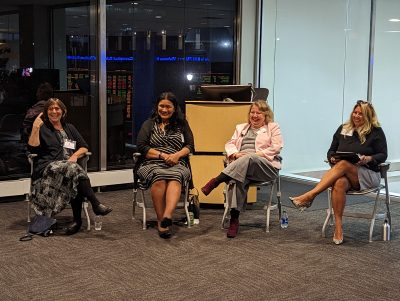
Women’s Leadership Forum Event

In partnership with the Women's Center, the Office of the Provost established the Women’s Leadership Forum which is a collective of UConn leaders who identify as women invested in the development and success of other women in leadership positions at UConn and UConn Health. Invitations are extended to leaders in managerial-level academic or administrative positions. The first event of the fall took place earlier this month and featured opportunities for networking and a panel discussion on “Sharing your Leadership Story: A Conversation with Women Leaders”, led by Fany Hannon, Michelle Williams and Kiki Nissen.

Dean of the School of Social Work Search

As many of you may know, Dean Nina Heller of the School of Social Work plans to step down from the deanship at the end of the 22-23 academic year. Dean Heller has served as dean for the past 7 years and has led the school through challenging times such as the covid-19 pandemic while continuing to foster life-transformative education for students. Under her leadership, the school implemented a Diversity, Equity, Inclusion and Anti-Racism (DEI/AR) Program, completed its strategic plan, has maintained its ranking as the #1 Social Work School in the state of Connecticut, and has moved the school to the top 12% nationally. The Office of the Provost will undertake a national search to identify candidates to lead the School of Social Work, to be chaired by Kent Holsinger, Vice Provost for Graduate Education and Dean of the Graduate School and Professor of Ecology and Evolutionary Biology.

Dean of the School of Nursing Search

A national search is underway to identify candidates to lead the School of Nursing following the planned retirement of Dean Deborah Chyun at the end of the 2022-23 academic year. This searched is chaired by Jason Irizarry, Dean of the Neag School of Education and Professor of Curriculum and Instruction. Listening sessions took place earlier this month and applications will be open in the coming weeks. Click here to learn more about the status of this national search.

Humanities Institute Director Search

The search for the next director of the Humanities Institute has kicked off and is being chaired by Jeffrey Ogbar, Professor of History and Director of the Center for the Study of Popular Music. The search will be conducted internally and the position is open for applications through November 10, 2022. Click here for more details including search committee membership, position description, and how to apply.

Highlighting Interdisciplinary Scholarship at UConn

Fostering collaborative and interdisciplinary scholarship and research is at the forefront of our mission as an R1 flagship University. There are intersecting ideas and synergies across departments, schools and colleges, and centers and institutes. Each month we plan to highlight a center or institute to share their message and raise awareness around their work. This month, we are spotlighting the Institute of the Environment.
Established in 2019, the Institute of the Environment (IoE) has a mission to advance research, education, and engagement concerning the environment and sustainability.  It is a broadly inclusive organization that comprises more than 150 faculty members and four administrative units: the Center for Environmental Sciences & Engineering, the Connecticut State Museum of Natural History, the Natural Resources Conservation Academy, and the Office of Sustainability.  Programs of the IoE focus on issues regarding the environment and sustainability, and enhance synergy, collaboration, and cooperation across all facets of the University including the arts and humanities; biophysical, engineering, and social sciences; health and agriculture; and law and policy. IoE is dedicated enhancing diversity, equity, inclusion, and belonging in all endeavors and programming.

The IoE engages faculty members, staff members, and students to raise awareness and address some of the most pressing challenges that confront society in the 21st century.  These challenges represent “wicked problems” that include climate change and biodiversity loss, air and water pollution, habitat loss and fragmentation, as well as energy and food security, to mention only a few.  Each of these challenges is complex, intimately interwoven with human activities, and requires multidisciplinary collaboration to understand underlying causes of problems, and to develop comprehensive solutions that are effective and just, ultimately leading to sustainable systems that enhance human-wellbeing for all segments of society, including future generations.

The work of the IoE starts internally, through collaborations with the University’s operational units to ensure that our institutional commitments to sustainability and green infrastructure are essential values that guide decision-making.  The Office of Sustainability (OS) leads, collaborates, advises, and advocates for sustainable goals and actions across the campuses of the University of Connecticut. The OS staff, Sustainability Interns, and EcoCaptains work with senior administrators, students, faculty and staff members to set and achieve strategic sustainability goals in the areas of climate action and resilience, energy and buildings, waste reduction and diversion, water resources, food and dining, grounds, purchasing, transportation, open space and natural resource stewardship, and the intersection of these issues with environmental and social justice. In addition, the OS develops outreach and engagement programs that use experiential learning to raise awareness and improve performance around sustainable practices and behaviors.  As a consequence of leadership by the OS and the commitment and dedication of all components of the university, UConn has been nationally and internationally recognized for its performance with respect to sustainability and for being a green campus.
The Center for Environmental Sciences and Engineering (CESE) engages in cutting-edge, interdisciplinary research to solve complex and emerging environmental challenges.  CESE leads and catalyzes research involving its 12 core faculty members from departments within the College of Agriculture and Natural Resources, the School of Engineering, and the College of Liberal Arts and Sciences.  In general, CESE supports multidisciplinary research that bridges the basic and applied sciences, and provides technical expertise and laboratory infrastructure in the areas of organics, nutrients, metals, and emerging or persistent contaminants (e.g., forever compounds [PFAS, per-and polyfluoroalkyl substances], harmful algal toxins, polychlorinated bisphenols [PCBs]). Activities supported by CESE strengthen the scientific understanding of complex and evolving natural systems, monitor environmental quality, inform sound stewardship, and enlighten policy. Taken together, such activities provide guidance for long-term sustainability.

The Connecticut State Museum of Natural History explores how natural history shapes the lives of people and how in turn, people shape the environment. Through public events and exhibits hosted at UConn and throughout Connecticut, the CSMNH shares UConn’s world-class scholarship directly with students and the public, striving to give new types of learning experiences to people of all ages, and to interpret the scholarship generated by faculty and staff members, as well as by students, in ways that make it relevant and useful to the lives of everyone. By engaging collaboratively across the many disciplines at the University, the CSMNH inspires creative and novel perspectives about the relationship of humans with the natural world.  A new exhibit, “Right Below Your Feet, a Beautiful Evolutionary Success Story”, will open in the Wilbur Cross Building on Wednesday, October 26 at 3:00 PM.  It features a group of organisms called bryophytes, about 20,000 species of mosses, liverworts, and hornworts, and highlights the evolutionary success of the group as well as its incredible beauty.
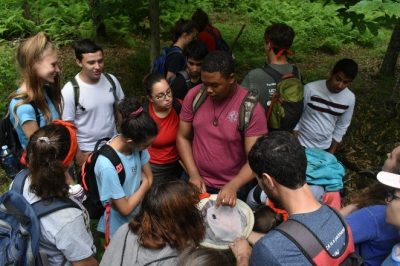
The Natural Resources Conservation Academy  represents a consortium of scholars and educators from the College of Agriculture, Health, and Natural Resources, the College of Education, and the Center for Environmental Sciences and Engineering. The mission of the NRCA is to engage diverse teen and adult participants in natural resources conservation through place-based, experiential outdoor education, and to facilitate community action through collaborative partnerships that contribute to local environmental solutions. Signature programs include the Conservation Ambassador Program, Difference Maker Mentors Program, the Conservation Training Partnership, and the Teacher Professional Learning Initiative.  It has had broad success in reaching 537 participants from 141 schools and 158 local organizations in 163 towns and producing 233 community projects.

Events and News

The IoE in collaboration with its constituent units have developed a number of exciting opportunities to engage faculty members, staff members, students, and the public this semester.

Environmental and Social Sustainability Small Grants (ESSSG).— The Office of Sustainability and the Institute of the Environment is funding a program to support student-faculty projects that enhance environmental sustainability and campus-wide engagement with sustainability issues at the University of Connecticut and in Connecticut communities through research, authentic community engagement, campus operations, or education. Projects must increase both environmental and social sustainability at UConn, and address one or more of UConn's strategic sustainability goal areas (climate change, energy and buildings, waste, outreach and engagement, water resources, food and dining, purchasing, transportation, or grounds, open space and conservation areas) and one or more related social challenges (fostering inclusion of diverse perspectives, addressing systematic inequalities, environmental justice, social and health inequity, community development, etc.). Project activities can occur at any of the UConn campuses or extend to Connecticut communities outside of the University campuses. Special consideration is given to interdisciplinary projects that advance equity and justice or incorporate the arts and humanities.
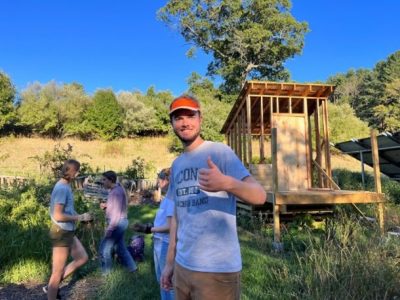
Mini-Grants in Support of Environmental Research (MiSER).—In collaboration with Institute of the Environment, the Center for Environmental Sciences and Engineering is conducting a Mini-Grant Competition to provide financial support for faculty members at UConn to enable a reductions in the cost of analyses conducted in CESE’s Environmental Chemistry Laboratories (i.e., analyses of nutrients, metals, and organics) that directly relate to one or more of the following objectives: (1) To support the development of new environmental proposals to state, federal, or private sector funding agencies; (2) To enhance environmental scholarship and outreach; (3) To enhance the quality of graduate student research; or (4) To enhance collaboration by environmental faculty members with CESE’s Environmental Chemistry Laboratories.  The application deadline is October 29, 2022.

Multidisciplinary Environmental Research Awards for Graduate Students (MERAGS).—As part of its mission to enhance multidisciplinary scholarship, the Center for Environmental Sciences and Engineering, in collaboration with the Institute of the Environment, is funding projects to support multidisciplinary environmental research by graduate students. These awards provide support during the Spring and Summer Semesters to encourage multidisciplinary collaborative research and scholarship related to the environment by graduate students (either Master’s or Doctoral students) and faculty members at UConn. Proposed research or scholarship can include any disciplinary facet of the university (humanities, social sciences, biophysical sciences, engineering sciences, fine arts, law, etc.) with a focus on environmental issues.  The application deadline is November 17, 2022.

The Living Building Philanthropic Initiative.—Join us on an exciting and innovative philanthropic journey to raise funds to construct a distinctive “Living Building” to house the Institute of the Environment, with ample exhibition and research space for the Connecticut State Museum of Natural History.  Our proposed “Living Building” is purposefully designed to blur the perceived separation between humans and nature, and to enhance the sense that humans are part of the environment. Through creative architecture and design, living buildings enhance their surroundings by surpassing goals of environmental mitigation

by elevating building goals to embody environmental regeneration. Meeting a set of performance standards set forth by the International Living Future Institute, Living Building design, construction, and space-use “make the world a better place.”

Our living building will be “from the people of Connecticut for the people of Connecticut,” reflecting our shared environmental and cultural heritage. The building will act as a highly visible gateway for environmental programming involving research, education, and outreach that reflects the University’s commitment to sustainability and the environment.  The elements that characterize Living Buildings are fully aligned with UConn’s core values of innovation, global engagement, diversity, and leadership. Indeed, the IoE Living Building is the perfect venue to showcase UConn’s status as a leading University: it will engage diverse communities across the state, create transformative experiences for students and lifelong learners, and generate new resources and knowledge through discovery. The first of its kind in the State of Connecticut, the building will be tangible evidence of the University’s commitment to advancing innovation and design.
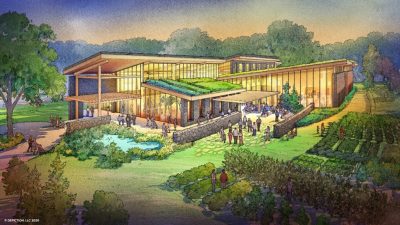
This unique building and its associated programming will advance the mission of the Connecticut State Museum of Natural History (CSMNH) and its associated Office of State Archaeology by highlighting Connecticut’s rich natural and cultural

heritage. It will be a destination for individuals of all ages from across the state and region, inspiring wonder and expanding appreciation of the natural world by providing visitors with truly life-changing opportunities to use our public spaces to intimately explore scientific specimens and exhibits.

By creatively combining state-of-the-art exhibit and education space with the sustainable characteristics that are inherent to Living Buildings, we will create an inspiring educational space for all that will help advance the missions of the Center for Environmental Sciences and Engineering, the Office of Sustainability, and the Natural Resources Conservation Academy, as well as to promote environmental sustainability and responsible stewardship of the natural world.

The Living Building will synergize interactions among IoE units and enhance collaborations among diverse faculty members, students, and environmental professionals in multidisciplinary scholarship and educational pursuits. The positive environmental impacts of a Living Building will provide an effective platform for reaching Connecticut communities by telling meaningful stories that resonate with visitors from across the state and nation. Indeed, the Living Building will act as a living laboratory to highlight sustainable practices (energy conservation, water recycling).  Our collections and programming are designed to inspire the public by creating opportunities for compelling community engagement. By embedding exhibit and educational space within a beautiful, functional Living Building, we will enrich the experiences of visitors by engaging and inspiring them to think deeply about and care for the natural world.  By creating a Living Building, the people of Connecticut will gain a special landmark that will function as a transformative space to experience, discover, and support the natural world.

Academic Affairs Spotlight 
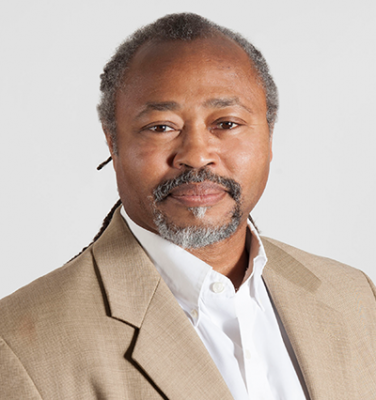
The Office of the Provost and the units that report in academic affairs are staffed and led by an outstanding group of talented and dedicated colleagues. This month we are spotlighting Michael Bradford, Vice Provost for Faculty, Staff, and Student Development.

Michael has served as vice provost at UConn since September, 2020. In this role, he oversees faculty recruitment, retention, and onboarding; faculty and academic staff development and recognition; faculty and academic staff equity and access; and student success and equity initiatives. Prior to this role,

Michael has held roles as department head of Dramatic Arts at UConn, artistic director of the Connecticut Repertory Theatre, and faculty director for the Schola2rs House Learning Community. Michael is professor of dramatic arts and teaches theatre history, dramatic literature, and playwriting, and his full-length and one-act plays have been featured both regionally and internationally.

What does a typical work week look like for you? 

Except for my standing meetings with direct reports and other university stakeholders, it is hard to define what a work week looks like.  There are issues that pop up and need to be addressed from speaking with students and their parents, to bias incidents in units across our campuses to responding to questions around academic policy. And then there are the programs and initiatives like the Husky Book Bundle, Faculty Leadership training, which is a new initiative, that I need to plan and implement. And then there is the Life Transformative Education initiative.

What is an important project/initiative you’re working on right now?  

I would say the many projects associated with LTE, planning a series of conversations with academic program assistants in the spring, and the Second Book Project for Associate Professors that we are planning for this spring are just three initiatives I am working closely with our Project Coordinator Nisha Hardnett that I am deeply excited about.

What are you most looking forward to as the academic year progresses?

I am always excited about moving the needle supporting student's academic success, supporting faculty retention, and staff professional development.  And honestly, I simply get geeked up when students arrive back on campus in the fall.

If you could solve one problem right now at UConn, what would it be?

That every person on this campus feels valued and appreciated, feels seen and heard.

What is your favorite UConn moment?

This year we had a great time working with Nisha Hardnett and the Transfer Student Organization to put together a welcome event for transfer and campus change students.  Over 140 students and of course the ice cream was on point! 

Important Dates, Deadlines & Events

November 8, 2022 – Election Day
November 9&10, 2022 - Caucusing in the Classroom events with Marissa Greenberg
November 11, 2022 – Veteran’s Day
November 15, 2022 – Interfolio Information Session (Click here for details)
November 21, 2022 – Nominations for
Edward C. Marth Mentorship Award Due
November 24, 2022 – Thanksgiving Day

Provost Office Awards

The Provost Office facilitates the following awards: Board of Trustees Distinguished Professor Award, Provost’s Outstanding Service Award, Provost’s Award for Excellence in Community Engaged Scholarship, and Alumni Faculty Excellence Awards.
Nominations for these awards are now open. Visit our website for details on nomination materials, deadlines, and past winners.

Provost’s Office Monthly – September 2022

Message from the Interim Provost

As we move forward in the academic year, I’m finding that the work in the Provost’s Office largely falls in four main categories:

  1. Our annual and ongoing responsibilities around major academic processes, like PTR or budgeting for the schools, colleges, and library.
  2. Short- and medium-term projects/initiatives that we undertake to improve the quality of the work that we do at the University and that we typically finish within the year.
  3. Long-term projects, which are often highly collaborative and which we may or may not be leading ourselves. Examples of this are large building projects like Science 1 or supporting a school or college in starting a new academic program.

And, of course,

  1. Urgent situations, whether large or small scale – perhaps a student or faculty member with a pressing problem, or, in the past two years, managing the pandemic response.

At the moment, our office is focused on organizing and defining the second category at the moment – we are finalizing our inventory of current projects and plan to share a summary of them with you in the next newsletter. You can expect to hear more about these projects in the coming months, both through direct engagement and consultation, and via this newsletter.  For example, you will read further down about the first Executive Leader Onboarding session, an initiative undertaken in partnership with several other University leaders and departments.

This connects to two other things I’ve learned about the work of the Provost’s Office. First, the work is highly collaborative, in ways that are both prescribed by our by-laws and policies and also an organic outgrowth of our institutional culture. There’s hardly a decision we make without extensive consultation and engagement across the university.

And, second – there’s no shortage of work to be done!

I’m so appreciative of the dedication and work ethic of everyone in the Provost’s Office, and their willingness to take on new projects whenever there’s an urgent need, regardless of how highly committed they are already. Please do always feel free to reach out with a concern or an idea – you’ll find willing listeners here.

All best,

Anne D’Alleva
Interim Provost & Executive Vice President for Academic Affairs

Academic Updates and Reminders

Mid-Term Resources & Reminders

The middle of the semester is always a good time to evaluate progress, whether it’s student performance in class or on our own work as faculty and staff. Engaging in formative feedback and submitting mid-term grades are important tools to support the success of our students.

Formative Feedback

Mid-term formative feedback surveys can be a useful tool for instructors to hear anonymously from their students on course materials, lectures, assessments, and other elements of course design. We encourage all instructors to implement a mid-term formative feedback survey in their courses. These surveys can be valuable resources to make mid-course adjustments, as well as to broaden student engagement.

The Center for Excellence in Teaching and Learning and the Office of Budget, Planning and Institutional Research offer resources to develop and distribute formative feedback surveys. In all cases, these are designed to be private (for instructors’ personal use only, not to be shared with department heads or other administrators). If you are interested in utilizing formative feedback, you can begin with a resource guide prepared by CETL.

Mid-Term Grades

Sharing mid-term grades with your students is another important part of reviewing student progress, which can have positive impacts on your students’ engagement in coursework. University Senate By-Laws state that by the end of the sixth week of the semester, instructors shall submit midterm grades for students in 1000- and 2000-level courses who have earned a grade of less than a C or U, or an N grade up to that point.

We encourage all instructors to share mid-term grades with their students in all levels. This feedback on progress will help students make adjustments and access resources as necessary to stay on track academically and assess their trajectory in the course to make decisions earlier on potential withdrawals or pass-fail designations in courses. This is also an opportunity to refer students of concern to academic support resources like the Academic Achievement Center (AAC).

We are sharing guides here with different options to submit grades to PeopleSoft. Informing your students of their grade or posting mid-term grades in HuskyCT is helpful but posting grades in PeopleSoft is necessary to ensure this information regarding student progress is available to staff at the University who provide academic support. Grades can be submitted beginning on Monday, October 3 through Thursday October 27. Instructors can submit grades three different ways into StudentAdmin:

For any instructors who have yet to administer any assessments in their course by which to determine a mid-term grade, now is a good time to administer an assessment to ensure you and your students know how they are progressing in the course and mastering the material.

Finals Opt-Out Reminder

Several years ago, the University Senate passed a by-law change regarding final assessments in all undergraduate classes. The change enabled all faculty and instructors in undergraduate courses to choose a variety of assessments of student work, stating that the final assessment does not necessarily need to be an exam. The change also eliminated the approval of the department and the dean of the school or college for faculty who choose not to offer a final examination.

If you are not delivering a final exam in Fall 2022, we ask that you fill out a brief form to notify the Registrar that you are opting out. We are asking for those who use another method of assessment (portfolios, projects, etc.) to let us know so that the room and/or time may be available for other instructors during the assessment period. It is also important that instructors recognize that due dates for these alternative forms of final assessment should not fall on days designated as reading days. As always, all due dates should be indicated on the syllabus at the beginning of the semester.

Many of our instructors have used other forms of assessment that align more purposefully with their intended learning objectives. Assessment formats can include individual or group-based strategies, e.g.  projects, portfolios, papers, team-based work, creative works, performances, presentations, and other assessments in lieu of final exams.

Finally, please note that it is prohibited by Senate By-Laws to give your final assessments during the last week of classes. Exams during the last week of classes puts an undue strain on students who are trying to attend and participate in their other courses during that time.

Class Absences due to Illness

At this time of year, and considering the lasting effects of the COVID-19 pandemic, we would like to remind faculty that students are not required to provide “sick notes” or “medical excuses” when they miss classes, and such excuses should not be requested from them. More generally, per the university Senate By-laws, student grades should not be reduced because of a student’s absence. Please exercise flexibility and understanding for students who may miss class or classwork due to illness. Faculty should also exercise caution in attending class if they are feeling sick. Our community’s health and wellbeing remains a priority of the University. If any other COVID-related questions or issues arise during the remainder of the semester and academic year, you may find our COVID-19 FAQs for Academic Operations to be helpful, but as always, you are encouraged to reach out to our office directly at provost@uconn.edu if you would like additional support.

Faculty Office Hours 

With the new academic year now under way and with our physical return to campus, we are writing with some general guidance to ensure that we are all providing the right kind of access to our students so that they receive the support they deserve throughout the semester.

As you know, faculty and staff who are student-facing are encouraged to be present and on campus. In the last two-and-a-half years, however, we have also seen how students have enthusiastically embraced alternative means through which to meet with their instructors and advisors, using the various virtual platforms we now have at our disposal.

We believe that a combination of in-person office hours and online availability is going to be the most effective way to maximize student access to their instructors. It is good practice to designate a minimum of 1-2 hours per week of regular in-person office hours, which can then be supplemented by online appointments as requested. Faculty play a critical role in student success by being available to students to answer their questions, offer guidance, and serve as mentors.

Pop-Up Classes

Following the success of pop-up courses on topics like anti-Black racism and the COVID-19 pandemic, UConn is offering two new pop-up courses this fall: Confronting Anti-Asian Racism and Climate Crisis: Take Action. Pop-up classes are taught online in a multidisciplinary and integrated fashion by faculty from various schools and colleges.

Interfolio Update

In the last newsletter, we announced that UConn has purchased Interfolio’s Review, Promotion, and Tenure module to digitize our PTR/PR workflows. On November 15th, our office will hold a virtual info session to share an introductory presentation to the community on the use of the module, give an overview of the implementation plan, and address common questions we have been receiving. If you are in any way involved in PTR/PR, we strongly encourage you to attend. See details on the info session.

News & Updates

Outreach & Engagement Inventory

The Office of Outreach & Engagement has begun collecting information about ongoing outreach and community engagement projects led by the University community. The objective of this project is to create a centralized database of activities that can be used to broaden participation and make more public the work that is already being done within UConn. You may submit information at the Outreach and Engagement form. Contact Rosa Raudales, Director of Outreach and Engagement, with any questions.

Husky Book Bundle

We are excited to announce a partnership with Barnes & Noble Education (BNC) to introduce a new course material model, Husky Book Bundle, which will reduce the cost of materials for full-time undergraduate students and ensure they have the required textbooks and supplemental material for all courses before the first day of class. This model will be in place for the Spring 2023 Semester.

The Husky Book Bundle Program is an inclusive access textbook savings program that delivers student course materials at a reduced price. This model is easy and convenient for student use, provides an affordable rental option, and supports student success by ensuring every participating student is prepared for the first day of class.

Husky Book Bundle makes getting textbooks easier for students. Benefits include:

  • Students have their required materials on the first day of class and rent all their course materials from the UConn Bookstore for a flat fee of $285 per semester
  • Students save 35–50% on the cost of course materials each term
  • The flat fee will be included as a charge on their University Fee Bill
  • Students can use their financial aid to apply towards course materials costs
  • With immediate access to required materials, textbooks, and courseware, the barrier to student success will be removed including meeting accommodation needs for students with accessibility needs.
  • Students will have the choice to opt-out of the program and have the charge removed from their fee bill.
  • The bookstore will provide each student with a convenient package of required physical books, and digital materials directly delivered to the LMS (Husky CT) before the first day of class.

In late September, the UConn Bookstore will make announcements about the Husky Book Bundle Program to students. Faculty can contribute to the success of the program by submitting course material selections to the bookstore by the adoption deadline.

First Executive Leader Onboarding Session

UConn has launched a new Executive Leader Onboarding program to provide information and guidance to support executives as they take on leadership roles at the University. The first session was held on August 31st and included individuals who have taken on an executive or senior leadership role in the past two years.

The Executive Leaders program involves a series of in-person and virtual onboarding sessions designed to:

  • Describe UConn’s organizational, operational, and political context as Connecticut’s public flagship institution
  • Facilitate a peer network of new executives
  • Inform about current system-wide goals and initiatives
  • Present UConn’s diversity, equity, and inclusion history, status, and aspirations
  • Identify and introduce key personnel important for new senior or executive leader success
  • Help leaders understand how decision making occurs at the institutional level, including who influences it and where the centers of (informal and formal) power resides
  • Provide a resource for discussing new executive driven questions

Topics addressed include, but are not limited to:

  • Organizational Structures -- How is UConn Organized and Why?
  • Governance Structure (BOT, Faculty Governance)
  • Government Relations (Dos and Don’ts)
  • Communications (Dos and Don’ts)
  • Diversity, Equity, and Inclusion -- Supporting the vision
  • Policy Development and Compliance Issues at UConn
  • Human Resources: practices, resources, and understanding union relationships

Read more about the Executive Leader Onboarding program on the Human Resource website.

Dean of the School of Nursing Search

As many of you may know, Dean Deborah Chyun of the School of Nursing plans to retire from the University at the end of the 2022-23 academic year. Dean Chyun has served as dean for the past five years and has led the school through unprecedented growth in enrollment, responded with agility to the COVID-19 pandemic and its impact on the nursing profession and educational experience, and maintained the quality and rankings of nursing programs at UConn. The Office of the Provost will undertake a national search to identify candidates to lead the School of Nursing, to be chaired by Jason Irizarry, Dean of the Neag School of Education and Professor of Curriculum and Instruction.

Waterbury Campus Director Search

The search for the next Director of the UConn Waterbury Campus continues with second round, on-campus interviews happening the week of September 26-30. Each candidate will give a virtual public presentation, where they will present briefly on their vision and qualifications to lead the Waterbury campus. Read more information on public presentations, candidate details, and about the search in general.

Health & Wellness Reminders

Student Health and Wellness (SHaW) continues to provide resources for our students’ overall health and wellness. With the emergence of new illnesses such as monkeypox, please remind students that SHaW is available and ready to help. All eligible UConn Students are able to be vaccinated for monkeypox in Connecticut. Learn more about monkeypox vaccination at the Connecticut Department of Public Health website. Storrs-based students who want to be vaccinated by SHaW can contact 860-486-2719 to see if they are eligible.  For more information on student protection against monkeypox, refer to the SHaW’s Monkeypox webpage.

SHaW also continues to provide up-to-date COVID-19 information and resources for UConn students at SHaW COVID-19 Website.

As a reminder, information regarding the university’s COVID-19 guidance can be found at covid.uconn.edu

Academic Affairs Spotlight

The Office of the Provost and the units that report in academic affairs are staffed and led by an outstanding group of talented and dedicated colleagues. This month we are spotlighting Gladis Kersaint, Vice Provost for Strategic Initiatives.

Gladis has served as vice provost at UConn since March of 2021. Prior to joining the Provost Office, Gladis served as dean and professor of mathematics education at the Neag School of Education. She is a well-respected scholar with an extensive publication and national service record. She has led a number of collaborative STEM education projects involving school district personnel as well as university faculty in the arts and sciences and in engineering. She has also provided service at the national level, including having served as a member of the Board of Directors for the National Council of Teachers of Mathematics, the largest professional organization for mathematics educators, and the Association of Mathematics Teacher Educators. Gladis currently serves on the American Association of Colleges for Teacher Education (AACTE)’s Board of Directors.


What does a typical work week look like for you?

Because of the nature of my Provost Office portfolio,  each week can be quite different. However, a staple is that I am in quite a few meetings during the week. Because of the boundary-crossing nature of my role, the players with whom I am speaking can include leaders and staff members internal to and across the UConn and UConn Health. In addition, I collaborate with individuals external to the University (e.g., state department, industry, etc.).

 What is an important project/initiative you’re working on right now?  

I am working on several initiatives that have moved from last year’s development stage to implementation this year. First, I am excited about implementing the inaugural Executive Leader Onboarding program, a university-wide effort supported by the President’s Office to support the successful integration and effectiveness of new or recently hired senior leaders. Through a series of university-level onboarding opportunities,  these new leaders, including those new to UConn or those hired from within UConn, will learn about all aspects of the UConn enterprise, including areas not directly related to their specific areas of role responsibility. In addition, current university leaders lead sessions to share information about their units and provide insights to support their colleague’s success.

I am also very proud to facilitate the faculty awards and honors work. UConn has outstanding faculty members doing fantastic work and achieving accolades for their accomplishments. However, we didn’t have a university-wide approach for showcasing and celebrating these accomplishments. That is no longer the case. Working with UConn and UConn Health units, we have developed a system for gathering information and showcasing Faculty Awards and Honors. We also plan to celebrate award winners moving forward and work with units to encourage faculty nominations for prestigious awards. Collectively, we enhance the University’s reputation by showcasing our faculty excellence.

I am looking forward to advancing my work in these and other areas. For example, we are already developing an online searchable database of faculty award and honors, which is an improvement over the word document currently posted on the website.

What are you most looking forward to as the academic year begin?

Because many of the tasks I worked on last year were in development, I am looking forward to further progress in several areas. For example, I chaired the Academic Integrity Taskforce to address a long-standing and unaddressed issue related to how UConn defines academic integrity and addresses student misconduct. I had the pleasure of working with a dedicated group of representatives from the University Senate, Graduate Faculty Council, Community Standards, The Graduate School, OVPR, Undergraduate Student Government, and Graduate Student Senate. I look forward to supporting efforts to move their recommendations forward, hoping for full adoption and implementation.

If you could solve one problem right now at UConn, what would it be?

I’m not sure if everyone would agree that this is a problem, but I often think about this as I engage in my work. How can we take a ONE UConn (i.e., a system-wide approach to benefit the greatest good in the University community, including faculty and staff from UConn and UConn Health)?

I would solve the problem of decreasing the inherent suspicion associated with using a ONE UConn approach. I believe it is possible to approach the work from this perspective while simultaneously honoring disciplinary differences and existing governance structures. For example, in my presentation to participants of the Executive Leaders Onboarding program, I framed “ONE UConn” as a philosophy, a goal, a practice, and a leadership approach that aims to improve outcomes, rather than hinder the activities of any specific unit. My view is that taking a ONE UConn approach broadens our perspective about what might be possible and encourages us to ask questions like the following: How does what I do impact other units, other schools/colleges, the University? Are other units doing this? Can we learn from or adopt strategies used by other units? Is it okay for one unit to do this but not another? Does our decisions promote equity? How might we expand possibilities if we all decided to use this approach? How do we minimize inequity and increase (personal and community) accountability by using such an approach? What are the implications and consequences of this approach?

I acknowledge that a ONE UConn approach may not work in every circumstance. However, asking questions from a ONE UConn perspective might lead us to enhance how we do what we do in ways that are thoughtful, meaningful, equitable, and inclusive.

Important Dates, Deadlines, and Events

Important Dates

September 26-27 - Rosh Hashanah
September 26-29 - Waterbury Director Candidate Public Presentations
October 5 - Yom Kippur
October 10 - Indigenous People’s Day
October 11 - Sukkot
October 27 - Midterm Grades Due

Provost Office Awards

The Provost Office facilitates the following awards: Board of Trustees Distinguished Professor Award, Provost’s Outstanding Service Award, Provost’s Award for Excellence in Community Engaged Scholarship, and Alumni Faculty Excellence Awards.

Nominations for these awards are now open. Visit our website for details on nomination materials, deadlines, and past winners.

Emeritus Status Nomination Deadline

For individuals who do not meet the conditions for automatic Emeritus status (1. rank of Associate Professor or full professor or equivalent titles for clinical, in-residence and extension (CIRE) at University of Connecticut, and 2. at least five years of service) may become emeriti by vote of the Board of Trustees or the Health Center Board of Directors following recommendation of the Emeritus Committee and the President. The Committee meets twice yearly to consider cases. The next deadline to submit materials to the Committee is November 1.

Timely Topics

Timely Topics, hosted by The Graduate School, is a series of opportunities to engage with subject matter experts on topics relevant to those who support and advise graduate students and programs.

Every session is available to all UConn faculty and staff and provides information and tools that will help you best support your students and program. View the fall 2022 schedule.

Welcome Back – Fall 2022

Dear Faculty, Staff, and Graduate Students,

Today marks the first day of the new academic year and we are all excited for the return of our students, faculty, and staff to our campuses.

As of today, we have 6,848 graduate students and 23,561 undergraduate students registered for classes, including a remarkable first-year class of over 5,800 students across the Avery Point, Hartford, Stamford, Storrs, and Waterbury campuses. The incoming class of 2026 is the most diverse class we’ve seen to date, including over 27.5% first generation students. Our community continues to grow, and with it, so does our impact on the state, nation, and world.

As a state flagship, land- and sea-grant university, UConn strives for excellence in all that we do. Our faculty are of the highest caliber, engaged in innovative, entrepreneurial, and transformative work across a wide array of disciplines. The past year has been one of remarkable achievement. A record number of eleven NSF CAREER Awards were awarded to our faculty in Spring 2022, ranging from $435,000 to over $1.3 million. Oscar Guerra, Associate Professor of Digital Media & Design at the Stamford campus, won an Emmy award in Fall 2021 for his documentary film, Love, Life, & the Virus. Kathleen Segerson, BOT Distinguished Professor in the Department of Economics, was elected to the National Academy of Sciences.

Our students come from all over the world and are exceptionally talented. In May of this year, five of our graduate students and one alumni earned highly competitive NSF Graduate Research Fellowships, which have an annual acceptance rate of about 16%. Two graduate students, Bryan Greene and Josiah Grzywacz, received grants through the Fulbright U.S. Student Program. Sarah Luria, a Ph.D. candidate in Neag School of Education’s Educational Psychology program, was selected as one of 100 recipients of the $20,000 Scholar Award from the Philanthropic Educational Organization (P.E.O.) Sisterhood.

Finally, we must recognize the dedication and passion of our staff, who do so much to help the university move forward and fulfill its ambitions. We are especially grateful for the staff’s dedication in keeping the university open and our community thriving through the challenges of the pandemic.

We are entering the upcoming year feeling excitement, optimism, and gratitude. We will continue to work together to provide an outstanding educational experience for our students, expand our research enterprise, and serve our constituencies across the state. Any member of the UConn community should feel free to reach out to us for information or help in solving a problem or to share an idea.

We wish you the best as you begin the semester and look forward to seeing all that you accomplish in the coming year!

Sincerely,

Anne D’Alleva
Interim Provost and Executive Vice President for Academic Affairs

Pamir Alpay
Interim Vice President for Research, Innovation and Entrepreneurship